The Impact Of South Georgia Weather On Asphalt Surfaces
Asphalt surfaces in South Georgia are exposed to a unique combination of environmental conditions that influence how pavement ages, performs, and deteriorates over time. While many property owners naturally focus on vehicle traffic when evaluating pavement wear, weather often plays an equally significant role in the long-term condition of parking lots, driveways, access roads, and commercial pavement surfaces. Intense summer heat, prolonged sunlight exposure, seasonal storms, heavy rainfall, humidity, fluctuating temperatures, and changing environmental conditions all interact with asphalt throughout the year. These forces may not always create immediate visible damage, but their cumulative impact can gradually affect pavement appearance, flexibility, durability, and overall lifespan. Understanding how South Georgia weather influences asphalt surfaces allows property owners to better recognize maintenance needs, anticipate potential challenges, and make more informed decisions regarding pavement preservation strategies. From oxidation and moisture intrusion to surface wear and structural deterioration, weather remains one of the most important factors affecting asphalt performance throughout the region. By understanding these environmental influences, businesses, property managers, and homeowners can take a more proactive approach toward protecting their pavement investments while supporting stronger long-term surface performance across South Georgia.
Albany Sealcoating & Line Striping, LLC
8 min read
SOUTH GEORGIA EXPERIENCES LONG PERIODS OF HEAT
One of the defining characteristics of South Georgia's climate is the extended duration of warm and hot weather experienced throughout much of the year. Asphalt surfaces routinely absorb and retain significant amounts of heat, causing pavement temperatures to rise well above surrounding air temperatures during sunny days. Continuous exposure to elevated temperatures can gradually influence pavement performance over time by contributing to surface aging and increasing environmental stress. Understanding the role of heat is important when evaluating the long-term maintenance needs of asphalt surfaces throughout the region.
ULTRAVIOLET RADIATION CONTRIBUTES TO ASPHALT OXIDATION
Sunlight affects asphalt in ways that are not always immediately visible. Ultraviolet rays gradually break down the binding components within asphalt, contributing to a process known as oxidation. As oxidation progresses, pavement often begins losing the dark appearance commonly associated with newer asphalt surfaces. Over time, this process can reduce flexibility and leave pavement increasingly vulnerable to additional forms of environmental deterioration. Because South Georgia receives abundant sunshine throughout the year, ultraviolet exposure remains a significant consideration for long-term pavement preservation.
OXIDATION OFTEN OCCURS GRADUALLY OVER MANY YEARS
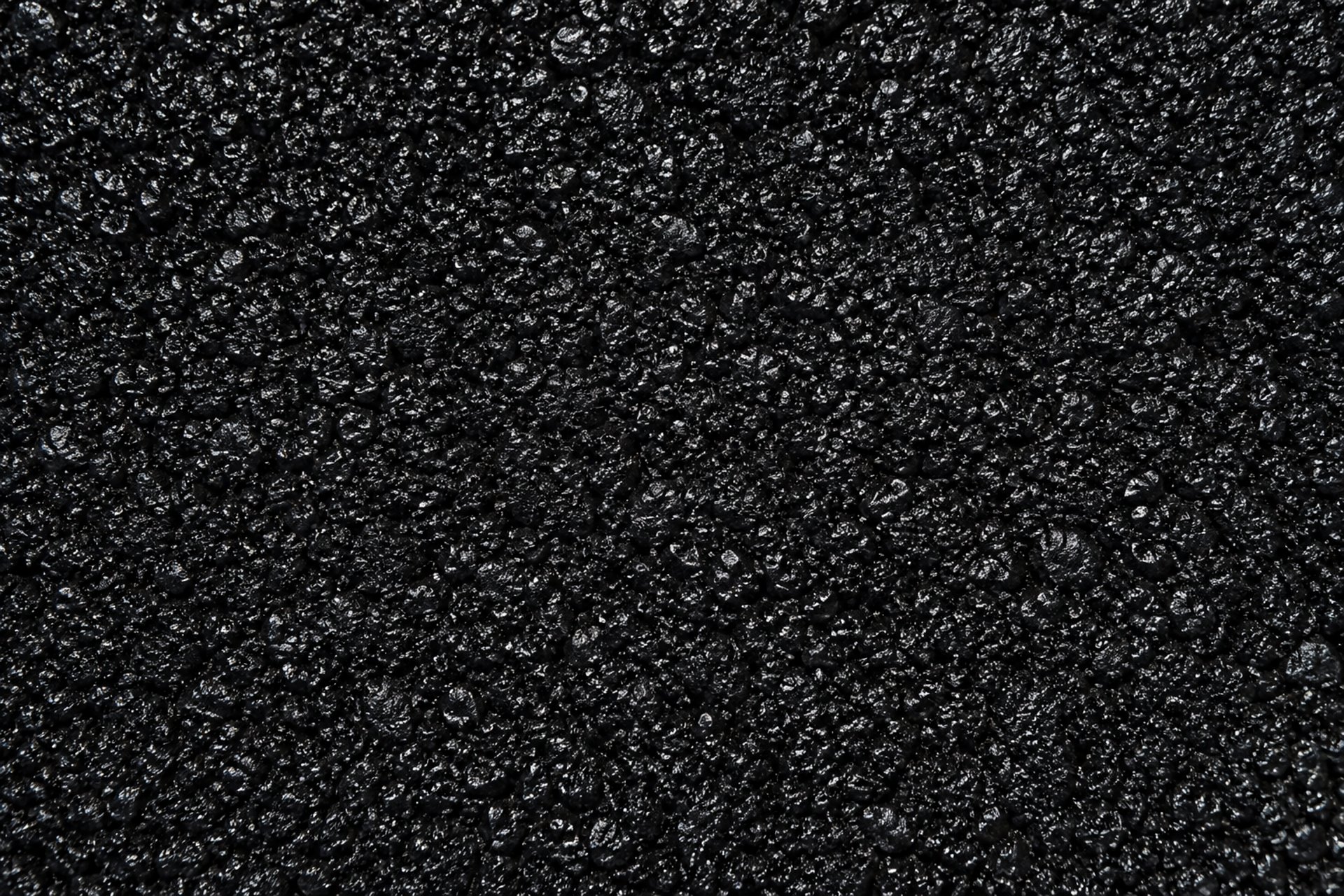
Unlike sudden pavement failures that attract immediate attention, oxidation typically develops slowly. Property owners may not notice significant changes from month to month, but the cumulative effects become more apparent over longer periods. Asphalt surfaces often transition from a rich black appearance to lighter shades of gray as oxidation continues affecting the pavement. This gradual transformation frequently serves as one of the earliest visual indicators that environmental exposure is influencing the condition of the asphalt surface.
HEAT CAN INFLUENCE ASPHALT FLEXIBILITY
Asphalt is designed to maintain a degree of flexibility that helps it accommodate everyday traffic loads and environmental conditions. However, prolonged exposure to heat and weather-related stress can affect how pavement responds over time. While flexibility naturally changes as asphalt ages, environmental conditions may accelerate portions of this process. Understanding how temperature influences pavement behavior helps property owners appreciate why preventative maintenance is often discussed as part of long-term pavement management strategies.
SUMMER CONDITIONS PLACE ADDITIONAL STRESS ON PARKING LOTS
Commercial parking lots frequently experience increased pavement temperatures during the summer months. Large expanses of dark asphalt absorb sunlight throughout the day, creating conditions that can intensify environmental exposure across the surface. Combined with vehicle traffic and daily operational demands, these conditions contribute to ongoing wear that gradually affects pavement appearance and performance. Businesses that rely on parking facilities often benefit from understanding how seasonal weather patterns influence long-term pavement condition.
WEATHER IMPACTS BOTH COMMERCIAL AND RESIDENTIAL ASPHALT
Although commercial parking lots often receive greater attention due to their size and traffic volume, residential driveways remain subject to many of the same environmental influences. Heat, sunlight, rainfall, humidity, and seasonal weather changes affect asphalt surfaces regardless of property type. While deterioration patterns may vary between commercial and residential applications, weather remains a common factor influencing pavement condition around South Georgia.
ENVIRONMENTAL EXPOSURE CONTINUES EVEN WHEN TRAFFIC IS LIGHT
Many property owners assume pavement deterioration is primarily caused by vehicles, but environmental conditions continue affecting asphalt even in areas with relatively little traffic. A lightly used driveway or low-traffic parking area may still experience oxidation, weathering, moisture exposure, and other forms of environmental stress. This reality highlights the importance of considering weather-related factors when evaluating pavement condition, regardless of how frequently the surface is used.
HEAVY RAINFALL CAN CREATE CHALLENGING CONDITIONS FOR ASPHALT
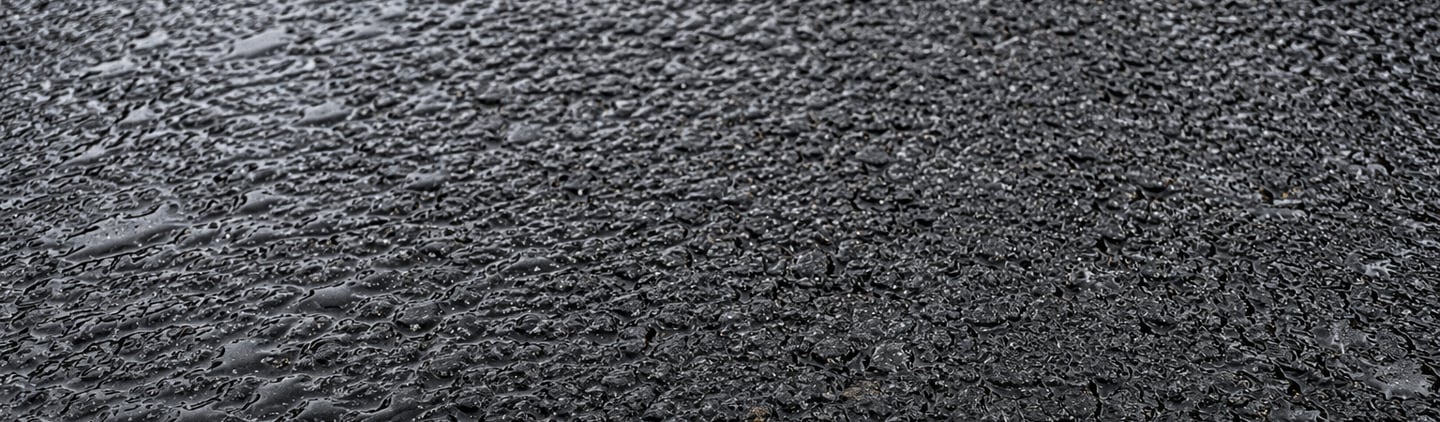
South Georgia regularly experiences periods of significant rainfall throughout the year. While asphalt is designed to perform in outdoor environments, water remains one of the most influential factors affecting long-term pavement condition. Rainwater naturally seeks out low areas, surface imperfections, and developing openings within the pavement structure. Over time, repeated exposure to moisture can contribute to deterioration processes that gradually affect both the surface and underlying components of an asphalt system.
STANDING WATER SHOULD NEVER BE OVER LOOKED
Not all rainfall affects pavement equally. Areas where water remains on the surface for extended periods often experience different wear patterns than portions of a property with effective drainage. Standing water increases the duration of moisture exposure and may contribute to accelerated surface deterioration over time. Property owners who routinely monitor drainage performance are often better positioned to identify developing concerns before they become more widespread throughout the pavement.
DRAINAGE PLAYS A MAJOR ROLE IN PAVEMENT PERFORMANCE
Effective drainage systems help direct water away from asphalt surfaces and reduce prolonged moisture exposure. Parking lots, driveways, and commercial properties that successfully manage water movement often experience different maintenance challenges than properties with drainage deficiencies. Understanding how water travels across a site can provide valuable insight into pavement performance while helping property owners evaluate long-term maintenance priorities more effectively.
HUMIDITY IS A YEAR-ROUND FACTOR IN GEORGIA
South Georgia's climate is often characterized by elevated humidity levels that persist throughout much of the year. Although humidity may not attract as much attention as heat or rainfall, it remains part of the broader environmental conditions affecting asphalt surfaces. Combined with other weather-related influences, persistent humidity contributes to the overall environment in which pavement exists and ages. Recognizing these regional conditions helps create a more complete understanding of the factors influencing asphalt performance.
SEVERE WEATHER EVENTS CAN ACCELERATE EXISTING PROBLEMS
Strong storms frequently occur throughout South Georgia and can expose pavement surfaces to intense environmental conditions over relatively short periods. While severe weather may not immediately create new pavement failures, it often highlights weaknesses that already exist within the asphalt. Small cracks, drainage concerns, and areas of surface wear can become more noticeable following significant weather events, making routine pavement evaluations especially valuable after periods of severe weather activity.
SMALL CRACKS OFTEN BECOME MORE NOTICEABLE OVER TIME
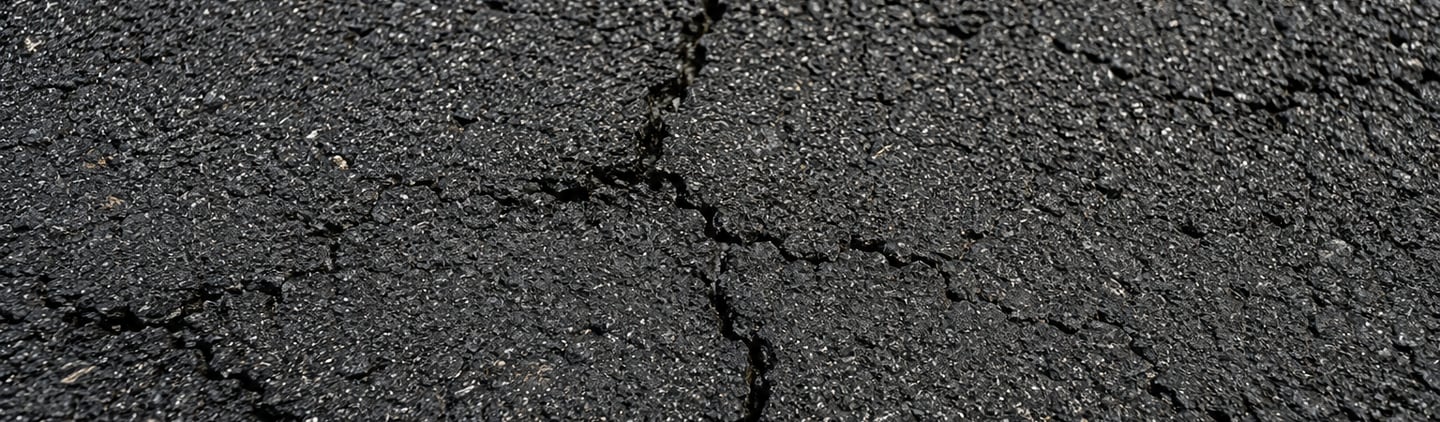
Weather-related exposure frequently contributes to the gradual expansion of pavement imperfections. Cracks that initially appear minor may slowly widen as environmental conditions continue affecting the surface. Moisture infiltration, temperature changes, and ongoing weather exposure can all influence how pavement defects evolve over time. Monitoring these changes allows property owners to better understand the progression of pavement deterioration while supporting more informed maintenance planning.
SEASONAL CHANGES INFLUENCE ASPHALT CONDITIONS
Although South Georgia does not experience the same winter conditions found in northern regions, seasonal transitions still affect pavement performance. Temperature fluctuations, changing rainfall patterns, varying sunlight exposure, and evolving environmental conditions all contribute to the way asphalt responds throughout the year. Pavement surfaces remain dynamic systems that continuously interact with their surrounding environment, making seasonal awareness an important part of long-term pavement management.
WEATHER EFFECTS ARE OFTEN CUMULATIVE RATHER THAN IMMEDIATE
Many forms of pavement deterioration do not occur as the result of a single weather event. Instead, environmental exposure often produces gradual changes that accumulate over months and years. Heat, sunlight, moisture, humidity, and storms each contribute small amounts of stress that collectively influence pavement condition over time. Understanding this cumulative process helps property owners appreciate the value of proactive maintenance strategies designed to address developing concerns before deterioration becomes more advanced.
SEALCOATING HELPS ADDRESS MANY WEATHER-RELATED CHALLENGES
Because weather continuously affects asphalt throughout the year, many property owners view sealcoating as an important component of long-term pavement preservation. Sealcoating is frequently discussed as a preventative maintenance strategy because it helps support surface protection against environmental exposure while contributing to a more uniform pavement appearance. When incorporated into a broader maintenance plan, sealcoating can help property owners manage some of the ongoing challenges associated with South Georgia's climate.
PARKING LOT MARKINGS ARE ALSO AFFECTED BY WEATHER EXPOSURE
Weather does not impact asphalt surfaces alone. Pavement markings, directional arrows, crosswalks, accessibility markings, and parking stall lines are all exposed to the same environmental conditions affecting the surrounding pavement. Sunlight, rainfall, traffic activity, and general weathering gradually reduce marking visibility over time. Maintaining clear striping remains an important part of preserving organization, appearance, and functionality throughout commercial parking areas.
COMMERCIAL PROPERTIES FACE UNIQUE ENVIRONMENTAL DEMANDS
Many commercial properties contain large expanses of exposed pavement that receive constant environmental exposure throughout the year. Retail centers, office complexes, industrial facilities, apartment communities, churches, and other commercial sites often experience a combination of weather-related stress and daily vehicle traffic. Because of these overlapping influences, long-term maintenance planning frequently becomes an important consideration for businesses seeking to protect their pavement investments.
DRIVEWAYS ENCOUNTER MANY OF THE SAME CONDITIONS
Homeowners are sometimes surprised to learn that residential driveways experience many of the same environmental influences affecting commercial parking lots. Although traffic levels may be lower, driveways remain exposed to sunlight, rainfall, humidity, seasonal changes, and ongoing weather-related wear. Understanding these factors can help homeowners evaluate pavement conditions more effectively while supporting informed decisions regarding future maintenance needs.
ORGANIC DEBRIS CAN CONTRIBUTE TO SURFACE DETERIORATION
Leaves, pine needles, dirt, and other organic materials often accumulate on asphalt surfaces throughout the year. While these materials may appear harmless initially, prolonged buildup can trap moisture against the pavement and contribute to conditions that accelerate surface wear. Routine cleaning and property maintenance help reduce these accumulations while supporting a cleaner and more presentable pavement surface.
MOISTURE CAN AFFECT MORE THAN THE SURFACE LAYER
Many property owners focus primarily on visible pavement conditions, yet moisture-related concerns are not always limited to what can be seen from above. When water gains access through cracks or deteriorated areas, it may influence underlying pavement components over time. This is one reason why proactive maintenance and routine pavement evaluations often play an important role in long-term asphalt management strategies.
WEATHER AWARENESS SUPPORTS BETTER MAINTENANCE DECISIONS
Understanding how environmental conditions influence pavement performance provides valuable context when evaluating maintenance priorities. Property owners who recognize the relationship between weather exposure and asphalt deterioration are often better positioned to identify developing concerns, schedule maintenance activities, and make informed decisions regarding future pavement investments. Awareness alone does not prevent deterioration, but it can contribute to more effective long-term planning.
LONG-TERM PAVEMENT PRESERVATION REQUIRES A PROACTIVE APPROACH
Because weather-related exposure occurs continuously, successful pavement management often involves ongoing attention rather than reactive decision-making. Properties that receive routine evaluations, preventative maintenance, and timely repairs are frequently better positioned to address environmental challenges before deterioration becomes more extensive. A proactive approach allows property owners to focus on preservation, planning, and long-term performance rather than responding only after visible damage has already occurred.
SOUTH GEORGIA PROPERTY OWNERS BENEFIT FROM CONSISTENT PAVEMENT EVALUATION
Weather conditions throughout South Georgia will continue affecting asphalt surfaces year after year, making routine pavement evaluation an important part of responsible property management. Conditions that appear minor today may gradually evolve as pavement remains exposed to heat, sunlight, rainfall, humidity, traffic, and environmental wear. Regular observation helps property owners better understand how their asphalt is performing while creating opportunities to identify developing concerns before they become more widespread. Whether managing a commercial parking lot, residential driveway, apartment complex, church property, retail center, or industrial facility, maintaining awareness of pavement conditions can support more informed maintenance planning and stronger long-term surface performance.
UNDERSTANDING WEATHER IMPACTS IS THE FIRST STEP TOWARD PROTECTING ASPHALT INVESTMENTS
South Georgia's climate presents unique challenges for asphalt surfaces throughout every season of the year. From prolonged heat and ultraviolet exposure to rainfall, moisture intrusion, humidity, and severe weather events, environmental conditions play a significant role in how pavement ages over time. While these factors cannot be controlled, understanding their impact allows property owners to make smarter decisions regarding pavement preservation, maintenance scheduling, asphalt crack repair, sealcoating, pothole patching, parking lot line striping, and long-term property care. By taking a proactive approach and recognizing how local weather influences pavement performance, property owners can better position themselves to protect their asphalt investments while supporting a cleaner appearance, improved functionality, and greater long-term value. If you would like professional guidance regarding the condition of your asphalt surfaces, Albany Sealcoating & Line Striping proudly serves South Georgia with pavement maintenance solutions designed to help protect and preserve asphalt for years to come.