How Often Should Asphalt Be Sealcoated in South Georgia?
Asphalt surfaces around South Georgia are exposed to intense sunlight, heavy rainfall, fluctuating temperatures, vehicle traffic, and environmental conditions that gradually contribute to pavement deterioration over time. Because asphalt is a valuable investment for both residential and commercial properties, understanding how often sealcoating should be performed is an important part of long-term pavement maintenance planning. While every property is different, sealcoating remains one of the most widely recommended pavement preservation strategies for helping protect asphalt surfaces from oxidation, moisture intrusion, traffic wear and premature aging. In this guide, we explore the factors that influence sealcoating schedules, discuss the unique conditions affecting pavement in South Georgia, and provide valuable insights to help property owners make informed decisions regarding asphalt maintenance and preservation.
Albany Sealcoating & Line Striping, LLC
7 min read
WHY ASPHALT REQUIRES ONGOING PROTECTION
Asphalt may appear durable and long-lasting, but it constantly faces environmental stress throughout its lifespan. Every day, pavement surfaces are exposed to ultraviolet radiation, vehicle traffic, rainwater, temperature fluctuations, and other factors that gradually weaken the surface. Without ongoing maintenance, these conditions often accelerate deterioration and contribute to cracking, fading, and surface wear. Sealcoating serves as one of several pavement preservation methods designed to help protect asphalt from these damaging influences while supporting long-term performance.
SOUTH GEORGIA'S CLIMATE CREATES UNIQUE CHALLENGES FOR ASPHALT
Property owners throughout South Georgia experience environmental conditions that differ significantly from many other regions of the country. Extended periods of intense sunshine, frequent summer heat, high humidity levels, and seasonal storms can place considerable stress on asphalt surfaces. These factors often accelerate oxidation, which causes asphalt to lose flexibility over time. Understanding how local weather conditions affect pavement is one of the first steps toward determining an appropriate sealcoating schedule.
THERE IS NO SINGLE ANSWER FOR EVERY PROPERTY
One of the most common misconceptions surrounding sealcoating is the belief that every parking lot or driveway should follow the exact same maintenance timeline. In reality, pavement conditions vary widely depending on age, traffic volume, environmental exposure, drainage conditions, and previous maintenance history. A lightly used residential driveway may age differently than a busy commercial parking lot receiving constant vehicle traffic. Because every property experiences unique conditions, maintenance planning often benefits from a more individualized approach.
NEW ASPHALT SHOULD BE ALLOWED TO CURE PROPERLY
Freshly installed asphalt requires time to cure before sealcoating becomes appropriate. During this curing process, oils within the pavement gradually stabilize while the surface continues hardening. Applying sealcoat too early may interfere with this natural process and prevent the pavement from reaching its intended condition. Property owners frequently benefit from consulting with pavement professionals regarding appropriate timing based on the age and condition of newly installed asphalt surfaces.
TRAFFIC VOLUME PLAYS A MAJOR ROLE IN SEALCOATING FREQUENCY
The amount of vehicle traffic a pavement surface receives often influences how quickly wear develops. Commercial parking lots serving retail centers, restaurants, office complexes, churches, apartment communities, and industrial facilities typically experience significantly greater stress than residential driveways. Increased traffic contributes to gradual surface wear, making routine maintenance an important consideration for properties seeking to preserve appearance and pavement condition over the long term.
SUNLIGHT IS ONE OF ASPHALT'S BIGGEST ENEMIES
Many property owners focus primarily on vehicle traffic when evaluating pavement wear, but prolonged sunlight exposure often causes significant deterioration as well. Ultraviolet rays gradually break down asphalt binders, causing surfaces to lose their rich black appearance and become increasingly vulnerable to cracking and weather-related damage. This oxidation process occurs slowly over time, making preventative maintenance strategies particularly valuable for properties exposed to South Georgia's strong sunlight throughout much of the year.
WATER IS OFTEN RESPONSIBLE FOR ACCELERATED DETERIORATION
Although asphalt surfaces are designed to withstand outdoor conditions, water remains one of the leading contributors to pavement deterioration. Once moisture enters small surface openings, it can weaken underlying layers and contribute to expanding cracks, surface failures, and other maintenance concerns. Sealcoating is frequently discussed as part of a broader pavement preservation strategy because it helps support surface protection while reducing exposure to moisture-related damage over time.
PROPERTY OWNERS FOLLOW A TWO-TO-THREE-YEAR MAINTENANCE APPROACH
Although every pavement surface ages differently, many property owners consider sealcoating approximately every two to three years as part of a long-term pavement preservation strategy. This timeframe often provides an opportunity to maintain surface appearance while helping protect asphalt from ongoing environmental exposure. However, pavement condition frequently matters more than the calendar itself. Some surfaces may benefit from maintenance sooner, while others remain in suitable condition for a longer period depending on traffic levels, weather exposure, and overall pavement health.
APPEARANCE OFTEN PROVIDES IMPORTANT CLUES
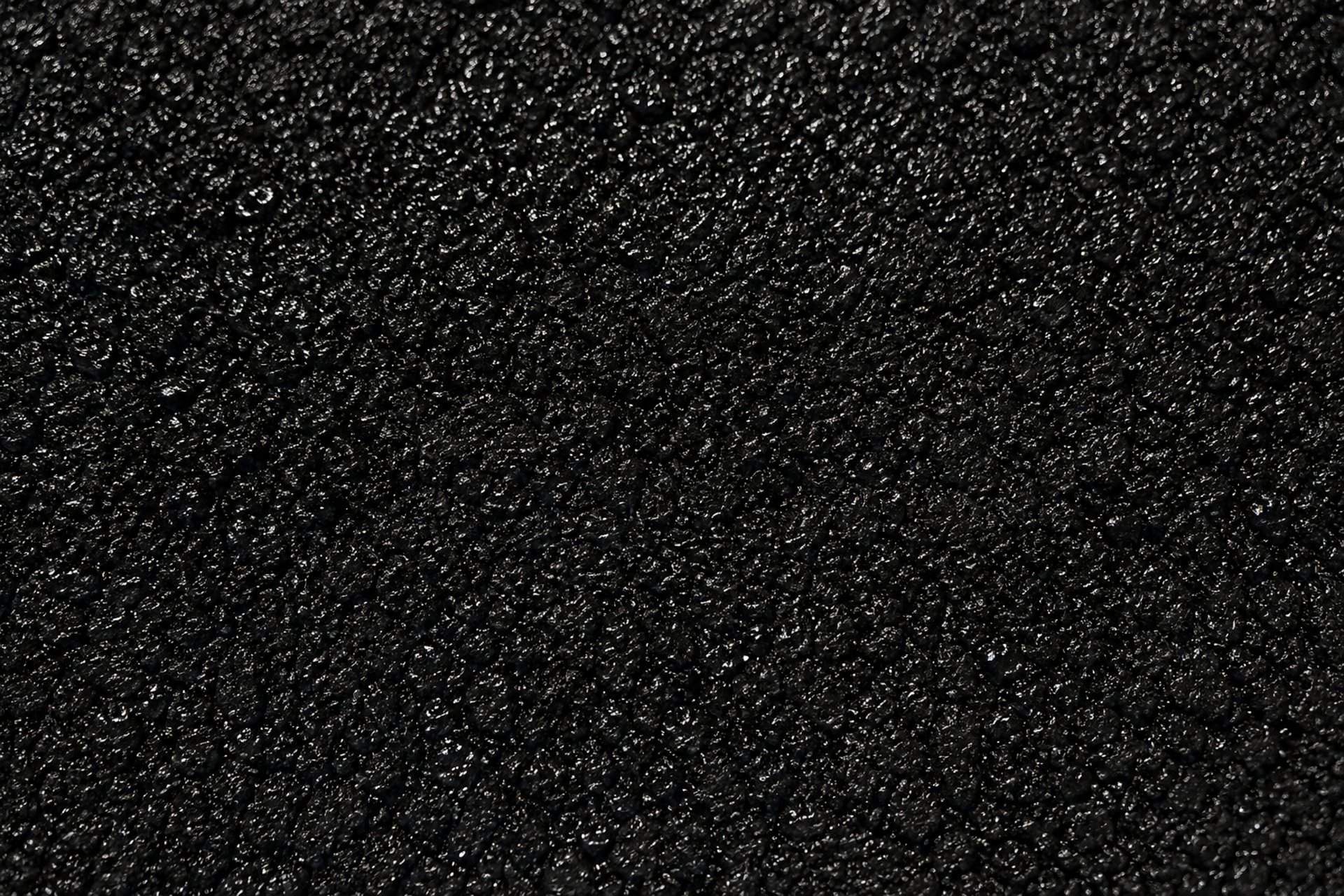
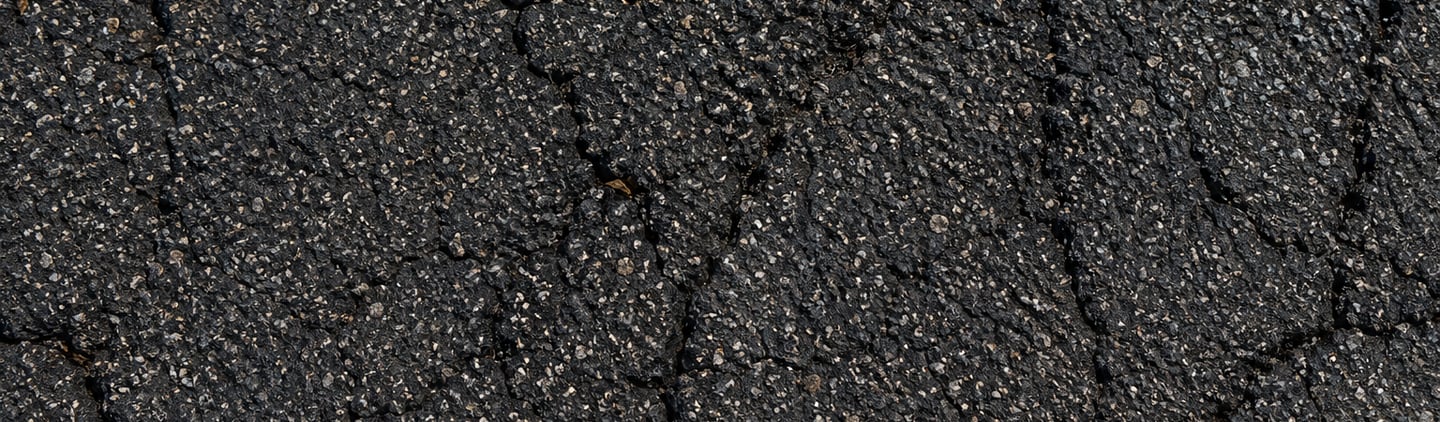
One of the easiest ways to evaluate asphalt condition is by observing changes in appearance. Asphalt naturally begins with a rich, dark finish, but oxidation gradually causes the surface to fade into lighter shades of gray over time. While color changes alone do not necessarily indicate serious damage, they often suggest that the pavement has experienced prolonged exposure to environmental conditions. Monitoring surface appearance can help property owners recognize when maintenance discussions may become appropriate.
SMALL CRACKS SHOULD NEVER BE IGNORED
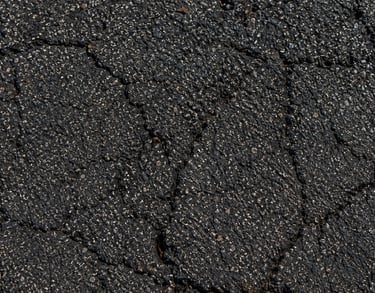
Cracks rarely remain the same size indefinitely. What begins as a minor surface opening can gradually expand as moisture enters the pavement and environmental conditions continue affecting the surface. While sealcoating is not intended to repair significant structural damage, it is frequently discussed alongside crack repair as part of a broader maintenance strategy. Addressing developing issues before widespread deterioration occurs often provides property owners with greater flexibility when planning future pavement improvements.
COMMERCIAL PARKING LOTS OFTEN REQUIRE CLOSER ATTENTION
Business owners and property managers frequently face different pavement maintenance considerations than residential property owners. Parking lots experience higher traffic volumes, more turning movements, heavier loads, and increased operational demands throughout the year. These conditions can accelerate wear in specific areas of the property, particularly around entrances, intersections, loading zones, and high-traffic parking sections. As a result, commercial properties often benefit from routine pavement evaluations to help identify changing conditions before they become more extensive.
DRIVEWAYS EXPERIENCE DIFFERENT WEAR PATTERNS
Residential driveways generally encounter less traffic than commercial parking lots, but they are still exposed to sunlight, rain, temperature changes, and daily vehicle use. Because traffic patterns tend to be more predictable, deterioration often develops differently than it does on larger commercial properties. Homeowners who monitor driveway condition regularly are frequently better positioned to recognize maintenance opportunities before visible wear progresses further across the surface.
DRAINAGE CONDITIONS CAN INFLUENCE PAVEMENT LONGEVITY
Water management plays an important role in long-term asphalt performance. Pavement surfaces that allow water to collect for extended periods often experience different wear patterns than areas with effective drainage systems. Standing water can contribute to surface deterioration while increasing the likelihood of moisture-related damage beneath the pavement. Understanding how water moves across a property can provide valuable insight when evaluating both current pavement conditions and future maintenance needs.
SEALCOATING WORKS BEST AS PART OF A BROADER MAINTENANCE PLAN
Successful pavement preservation rarely relies on a single service alone. Property owners often achieve the best long-term results by combining multiple maintenance strategies that address different aspects of pavement performance. Sealcoating, crack repair, pothole patching, parking lot striping, routine inspections, and ongoing pavement monitoring can all contribute to a more comprehensive approach to asphalt management. Viewing sealcoating as one component within a larger preservation strategy often helps support stronger pavement performance throughout the years.
DEFERRED MAINTENANCE OFTEN REDUCES AVAILABLE OPTIONS
Asphalt maintenance decisions are often easier and more affordable when made before significant deterioration develops. As pavement conditions continue declining, property owners may find that fewer preservation options remain available. Surfaces that could have benefited from preventative maintenance at an earlier stage may eventually require more extensive repairs to address advancing deterioration. Understanding the importance of timing helps property owners evaluate maintenance opportunities before pavement conditions become more difficult to manage.
PROPERTY APPEARANCE PLAYS A ROLE IN LONG-TERM VALUE
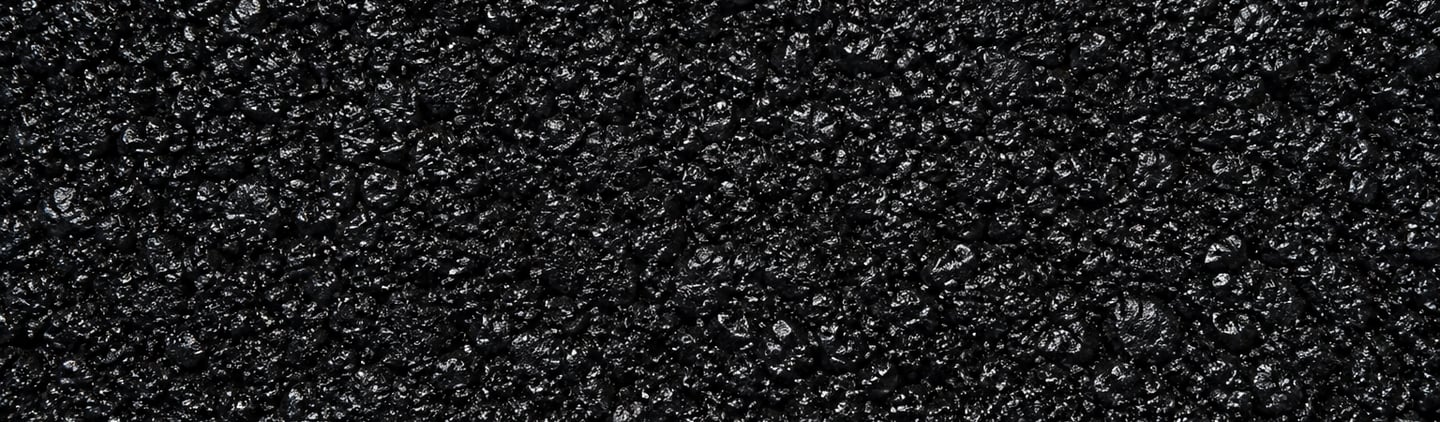
Parking lots and driveways are among the first features visitors notice when arriving at a property. Clean, well-maintained pavement often contributes to a more professional appearance while helping reinforce positive first impressions. Although sealcoating is frequently associated with pavement protection, many property owners also appreciate the visual benefits associated with maintaining a darker, more uniform asphalt surface. Appearance alone should not determine maintenance decisions, but it often becomes an important consideration when evaluating overall property presentation.
DIFFERENT SECTIONS OF THE SAME PROPERTY MAY AGE DIFFERENTLY
Large properties rarely experience wear evenly across every portion of the pavement. Areas exposed to heavier traffic, sharper turning movements, frequent parking activity, or direct sunlight may deteriorate differently than less active sections. Understanding these variations helps property owners evaluate pavement conditions more accurately while recognizing that some areas may require greater attention than others. A property-wide perspective often provides a clearer understanding of overall maintenance priorities.
PRESERVATION IS OFTEN MORE PREDICTABLE THAN REACTIVE REPAIRS
Unexpected pavement problems can create challenges for property owners attempting to manage maintenance budgets and operational schedules. Preventative maintenance strategies often provide greater flexibility because they allow planning decisions to occur before urgent repairs become necessary. Rather than reacting to sudden pavement failures, many property owners prefer a structured approach that supports more predictable maintenance planning while helping reduce unexpected disruptions.
SEALCOATING FREQUENCY SHOULD ALWAYS CONSIDER CURRENT CONDITIONS
While general maintenance guidelines can provide helpful direction, pavement condition remains one of the most important factors when evaluating sealcoating timing. Surface appearance, cracking activity, traffic exposure, drainage conditions, and overall pavement health all contribute valuable information. Relying solely on a predetermined schedule without considering actual pavement conditions may not always produce the most effective maintenance outcome. Evaluating both time and condition often leads to more informed decisions.
REGULAR EVALUATIONS CAN HELP IDENTIFY CHANGING CONDITIONS
Many pavement issues begin developing long before major deterioration becomes visible to the average property owner. Periodic evaluations allow changing conditions to be observed and documented over time. This approach often helps identify emerging concerns, supports long-term planning efforts, and provides a better understanding of how pavement surfaces are performing throughout the years. Consistent monitoring creates opportunities to address concerns before they become significantly larger challenges.
SOUTH GEORGIA PROPERTY OWNERS BENEFIT FROM PROACTIVE PLANNING
The combination of heat, sunlight, rainfall, humidity, and year-round environmental exposure makes proactive pavement care particularly important throughout South Georgia. Properties that receive ongoing attention are often better positioned to manage the effects of local weather conditions while supporting long-term pavement performance. Understanding how regional factors influence asphalt surfaces can help property owners make more informed decisions regarding future maintenance strategies and preservation efforts.
EVERY ASPHALT SURFACE HAS A DIFFERENT MAINTENANCE STORY
No two parking lots, driveways, or pavement systems experience identical conditions throughout their lifespan. Traffic levels, construction quality, environmental exposure, drainage performance, maintenance history, and property usage patterns all influence how asphalt ages over time. Because of these variables, effective maintenance planning often begins with understanding the unique characteristics affecting a specific property rather than relying on assumptions or generalized timelines.
UNDERSTANDING THE RIGHT TIMING BEGINS WITH PROFESSIONAL GUIDANCE
Determining how often asphalt should be sealcoated ultimately depends on the unique conditions affecting each property. While many surfaces may benefit from routine preservation strategies over time, evaluating current pavement condition remains an important step in developing an effective maintenance plan. If you would like professional insight regarding your parking lot, commercial property, or driveway, Albany Sealcoating & Line Striping proudly provides asphalt sealcoating and pavement maintenance services in Albany and South Georgia. Contact our team today to discuss your property and explore solutions designed to support long-term pavement protection and performance.